 Schedule A Mediation
 813-205-6675
Mediation vs. Attorney: What AI-Savvy Couples Need to Know
|More couples in Florida are starting the divorce process with information already in hand. They are using AI tools or online resources to research custody arrangements, explore parenting plans and time-sharing schedules, and understand how the division of marital assets and debts typically works. Some even outline financial support arrangements for spouses and children before ever speaking with a professional.
By the time they begin comparing options, these couples are not starting from scratch. They are looking for clarity. They want to know whether they need two opposing attorneys or if there is a more direct, cooperative way to move forward.
That is where the conversation around mediation vs. an attorney becomes important.
Why This Decision Matters More Than Ever
When people search “divorce mediation vs attorney,” they are not just comparing services. They are deciding what kind of process they want to experience.
Litigation and mediation are not simply different tools. They are fundamentally different approaches to resolving conflict.
For couples who already have a baseline understanding of divorce and want to stay cooperative, the choice can shape everything that follows, including cost, timeline, stress level, and long-term communication.
What Happens When You Hire Divorce Attorneys
Hiring separate attorneys typically means entering a formal legal process from the beginning. One party files, the other responds, and the case proceeds through structured steps that may include discovery, motions, and court hearings.
This approach may be necessary in high-conflict situations or when there are serious disagreements about finances, parenting, or safety. Attorneys play an essential role in protecting individual interests when cooperation is not possible.
However, for couples who are already communicating and exploring solutions, litigation can sometimes introduce conflict that was not previously there.
Common characteristics of the attorney-driven process include:
- A more adversarial structure, even when both parties want to stay civil.
- Higher and less predictable legal costs over time.
- Decision-making that may ultimately shift to a judge.
- Increased stress due to formal procedures and timelines.
For some situations, this process is appropriate. For others, it may feel like more than is necessary.

How Mediation Offers a Different Path
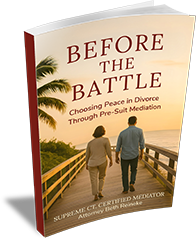
Mediation, particularly Pre-Suit Mediation, takes a different approach from the outset.
Instead of positioning two sides against each other, mediation creates a structured environment where both individuals work through decisions together with the guidance of a neutral professional.
Attorney/Mediator Beth Reineke works with couples to move from discussion to resolution in an organized, legally sound, and forward-focused manner.
In mediation, couples can address:
- Parenting plans and time-sharing schedules.
- Division of marital assets and debts.
- Financial support arrangements for spouses and/or children.
- Communication expectations moving forward.
Rather than preparing for court, the focus is on building agreements that the court will ultimately approve.
Why AI-Savvy Couples Often Lean Toward Mediation
Couples who have already used AI tools or online resources often arrive with a clear sense of what they want—and what they don’t.
They are not looking for someone to take over. They are looking for someone to guide the process, answer questions, and help finalize decisions in a way that meets legal requirements.
Mediation aligns well with that mindset.
It allows couples to:
- Stay actively involved in decision-making.
- Build on the work they have already done.
- Avoid restarting the process within a formal litigation structure.
- Move at a more efficient and controlled pace.
Instead of discarding their preparation, mediation helps them use it productively.
When Mediation May Be the Right Fit
Not every situation is appropriate for mediation. However, many couples exploring an amicable or uncontested divorce find that mediation meets their needs.
Mediation may be a strong option when:
- Both people are willing to participate in discussions.
- There is a shared goal of avoiding unnecessary conflict.
- Key issues have already been identified, even if they have not been resolved.
- The focus is on creating workable, long-term solutions.
Even when disagreements exist, mediation provides a structured way to work through them without immediately escalating to litigation.
The Role of a Neutral Attorney Mediator
One of the most important distinctions in the mediation vs attorney conversation is the role of the professional involved.
In litigation, each attorney represents one party’s interests.
In mediation, Attorney/Mediator Beth Reineke serves as a neutral guide. Her role is not to advocate for one side, but to help both individuals:
- Stay focused on the issues that matter.
- Work through points of disagreement.
- Ensure written agreements are clear and legally sound.
- Move efficiently toward resolution.
For many couples, this creates a more balanced and less stressful experience.
Making the Right Choice for Your Situation
Choosing between mediation and hiring attorneys is not about choosing the “easier” option. It is about choosing the process that fits how you and your spouse are approaching the situation.
If communication has broken down or conflict is high, litigation may be necessary.
If you are already having productive conversations and want to stay in control of your decisions, mediation may offer a more direct path forward.
For many informed, proactive couples, Pre-Suit Mediation becomes the bridge between doing everything on their own and entering a fully adversarial legal process.
Contact Reineke Mediations for Guidance
If you are researching divorce options in Florida and trying to decide between mediation and hiring attorneys, you do not have to make that decision alone.
Attorney/Mediator Beth Reineke works with individuals and couples who want a structured, cooperative way to move forward.
Call 813-205-6675 or contact Reineke Mediations online to discuss your case during a free phone consultation.