
 Schedule A Mediation
 813-205-6675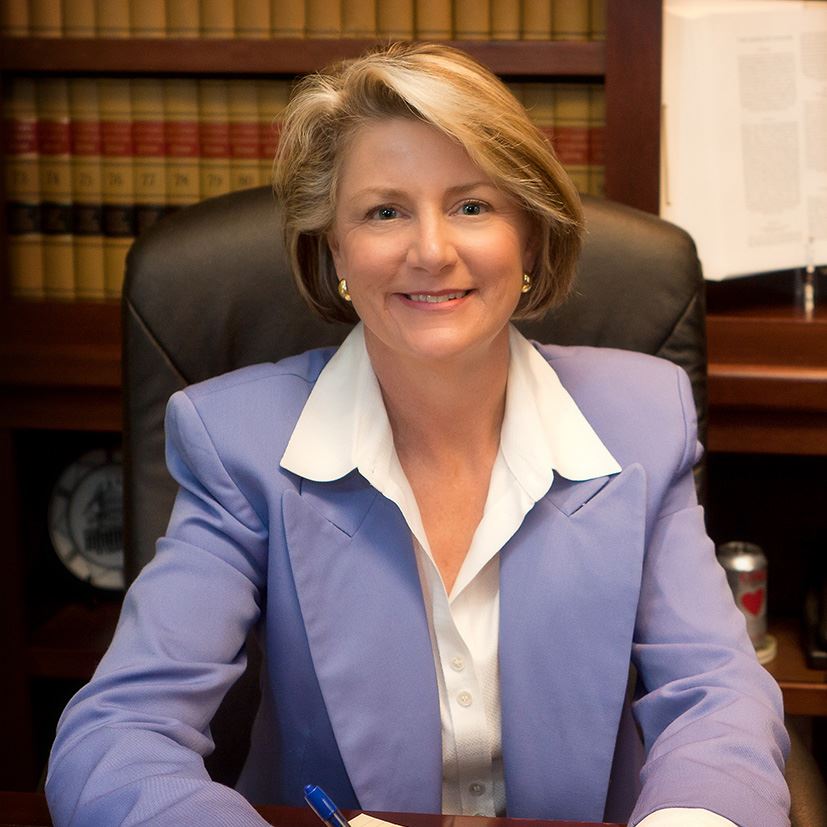
The Problem With Cookie-Cutter AI Divorce Forms: Florida Requires Precision, Not Predictions
|As artificial intelligence gains popularity, more couples in Florida are turning to automated tools to help them prepare divorce forms. At first glance, these programs seem convenient. They generate quick answers, assemble documents, and promise a simple path to settlement. But divorce in Florida is not a fill-in-the-blanks exercise. It is a legal process that requires accuracy, clarity, and compliance with strict state guidelines. When AI attempts to mimic official forms, even minor errors can create serious problems that affect both spouses long after the divorce is finalized.

Florida’s courts expect complete and precise paperwork. AI, however, works by predicting likely text patterns rather than applying the law. That difference can create significant gaps that couples may not see until it is too late.
Why AI Mimics Forms Instead of Understanding Them
AI programs do not know Florida divorce law. They generate content by recognizing patterns from large amounts of text. When asked to create a settlement agreement or a financial affidavit, the system produces something that looks correct. However, looking correct is not the same as meeting Florida’s legal requirements.
- AI does not know which clauses are mandatory.
- AI cannot identify when a financial detail is legally significant.
- AI cannot determine whether a parenting plan complies with Florida’s statutes or local rules.
The result is a document that appears polished but may be incomplete or inaccurate, leading to delays or rejections during the filing process.
The Hidden Risks of Predictive Text in Legal Documents
Florida statutes governing divorce are detailed. Parenting plans must address time sharing, holidays, communication, transportation, and decision-making. Financial affidavits must reflect accurate and complete information. Settlement agreements must include language that satisfies specific court requirements.
AI-generated documents frequently miss:
- Required financial disclosures.
- Essential clauses for retirement division or home equity.
- Mandatory parenting language is required by Florida law.
- Clear instructions for future decision-making.
- Terms that prevent future conflict.
Because AI is not reviewing a couple’s actual circumstances, it can leave out critical provisions without either spouse realizing it. These omissions often surface later in the form of disputes, modification requests, or judicial clarification hearings, which increases stress and expense.
Why Florida Divorce Forms Need More Than Basic Data
Official court forms provide a structure, but they cannot account for the many variations in a couple’s finances, schedules, assets, and parenting needs. This is why Florida courts strongly encourage spouses to seek professional guidance when preparing divorce agreements, even in uncontested cases.
- AI tools cannot ask clarifying questions.
- AI cannot verify whether the information provided is complete.
- AI cannot ensure that the final agreement accurately reflects both spouses’ intentions.
Without someone trained to identify potential issues, couples may unknowingly create documents that later cause confusion or conflict.
When AI Creates a False Sense of Confidence
Perhaps the biggest concern with AI-generated divorce forms is the impression that the divorce process has been handled correctly. Couples often assume that because the document looks official, it must be legally sound. Unfortunately, this confidence can lead to significant errors, especially for spouses who do not understand what the court will review or require.
Even small language mistakes can lead to misunderstandings about financial responsibilities, property division, or parenting schedules. The harm is often not discovered until months or years later, when the issue becomes unmanageable.
Why Mediation Provides the Accuracy AI Cannot
Mediation offers an entirely different approach. Instead of relying on predictions or generic templates, a certified mediator guides spouses through each issue step by step. This ensures that every part of the agreement reflects the couple’s actual circumstances, complies with Florida law, and reduces the chance of future disputes.
Our skilled mediator can:
- Identify topics AI tools overlook.
- Help spouses think through real-world implications of their decisions.
- Ensure that financial and parenting agreements are clear and complete.
- Prepare documents that are ready for court without unnecessary delays.
Unlike AI, a mediator listens, clarifies, and provides structure so that both spouses fully understand their decisions.
Protect Your Future With a Process Designed for Real People
Divorce is too important to leave to automated tools that rely on prediction rather than legal knowledge. Florida requires precision, thoughtful planning, and agreements that reflect each family’s specific needs. AI cannot offer the accuracy, understanding, or foresight necessary to produce reliable documents.
At Reineke Mediations, Florida Supreme Court-certified divorce mediator Beth Reineke helps couples create thorough, legally sound agreements that support a stable future. If you are considering divorce and want to avoid the risks of cookie-cutter AI forms, mediation offers a safer, more reliable path.
Call 813-205-6675 or contact Reineke Mediations online today to discuss your unique circumstances during a free telephone consultation and learn how personalized mediation can protect your rights and preserve your peace of mind.